
May2019.
In the last decade CAD has become an essential tool for any emerging fashion designer. Every sector of the fashion industry has felt the benefit of these innovations. From couture design houses to mass market retail to the textile mills the changes within the design and production processes have been vast.

Students studying the design and textile industry will be introduced to CAD/CAM programs early on in there education as these skills are now an essential part of the job specification.
CAD has changed the role of a fashion designer.
A fashion designer may still begin the process with a few sketches on paper but from there the process can be taken online, scanning the image in and using programs such as Adobe Illustrator, Autodesk design software, C-design fashion, Wild Ginger Cameo V6 to bring there ideas to life. This means that illustrations can be finalised patterns can be drafted and specification sheets can be created. All this can be done in less time spending less money, using less space, creating less waste.
Great! well sort of, as with the rapid advancement of any industry unforeseen issues can arise.
The ability to produce sketches/mood boards/Flat drawings quickly and in a format that can be sent across the world and realised, brought about the birth of what has become known as “fast fashion.” Love it or hate it fast fashion responds to our society appetite to consume ideas and information quickly, and then disregarding them just as fast. This appetite is unlikely to change.what we can change is our response.
Working more closely with CAD brought graphic designers fashion designer and software developers together. These collaberations and skill sharing are leading to exiting advancements for each industry.
Graphic designers can help fashion designers create collections that have a cohesive mood and give there brand the power to communciate globally.Logos are an essential assest to a brand to .The right logo has the power to add value and worth to a brand that clothes alone cant do. Graphic designers have also brought digital prints to fashion design. Mary Katrantzou, Johnthan Saunders and Peter Pilotto have all combined graphic design with fashion design with incredible results.
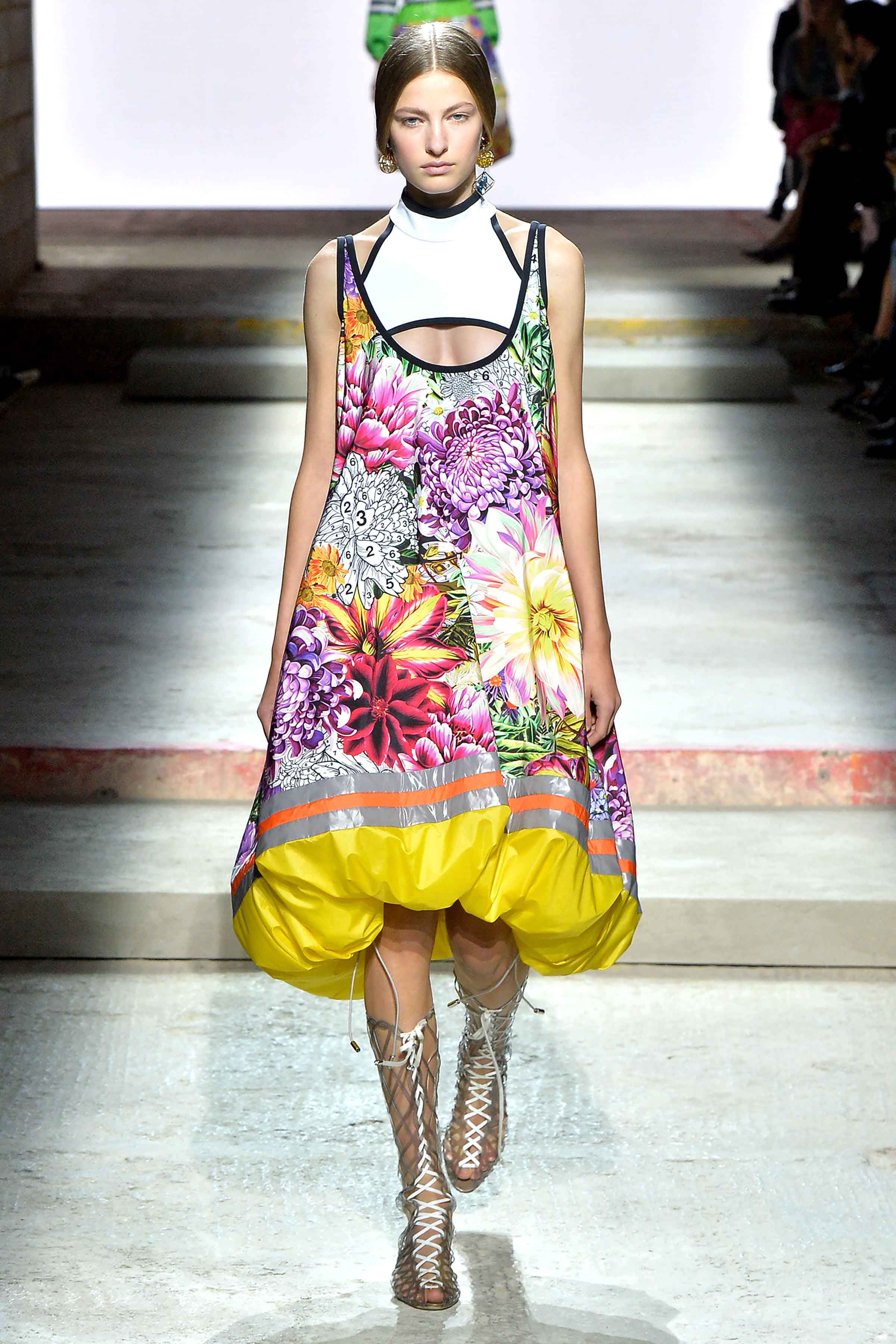
CAD/CAM will play a major role in responsible design for the future. Designers have access to software and CAM developments
Developments in CAM are equally as exciting.
Co2 dyeing or waterless dyeing is a relatively new process for textile manufacturing. textile industry is widely accepted as one of the largest industry for fresh water consumption, this fresh water is then disposed of as waste water containing the remains of the dye and chemicals needed for the process. Water scarcity is no longer just a third world issue more frequently we are being advised to reduce our unnecessary water consumption.
the The Yeh Group says that in its experience, an estimated 100-150 litres of water are needed to process 1 kg of textile material. Water is also used as a solvent in many pre-treatment and finishing processes, such as washing, scouring, bleaching, dyeing, rinsing and finishing and the contaminated water must then be handled and treated prior to disposal or recycling.https://www.innovationintextiles.com/waterless-dyeing-process-for-drydye-fabrics/
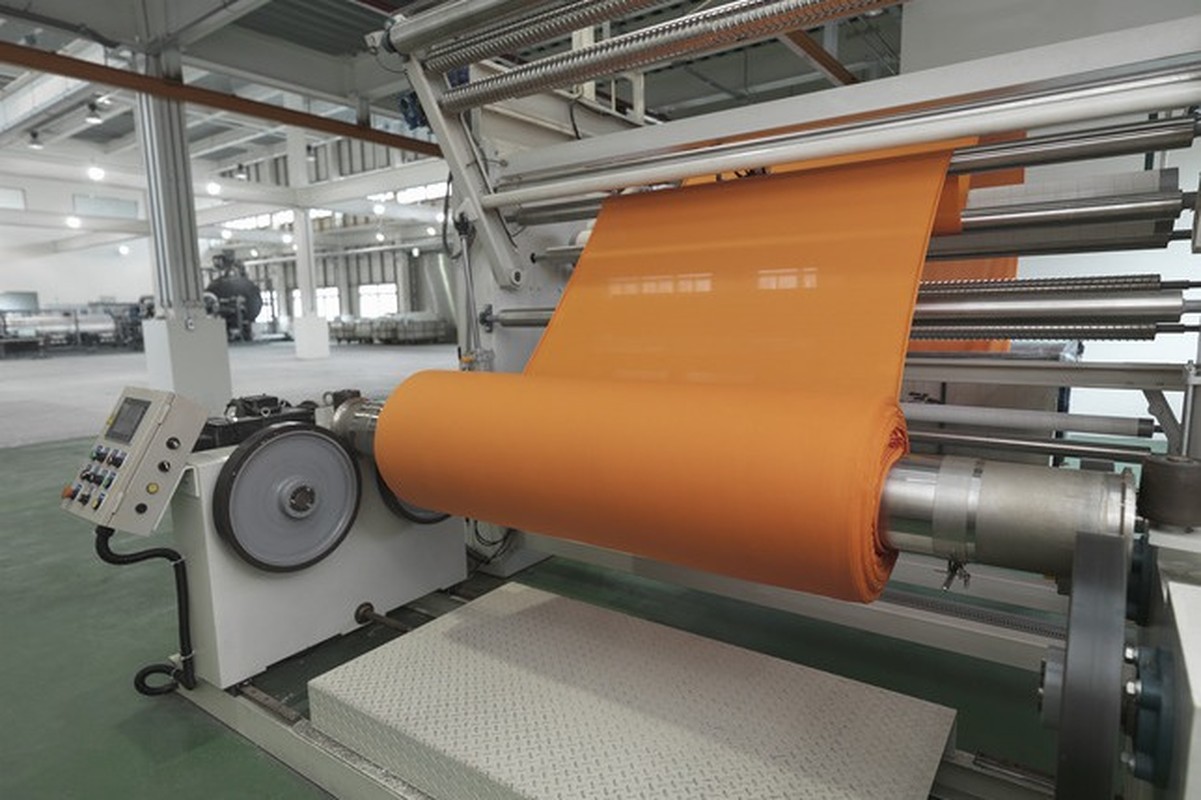
Pioneering company DyeCoo based in the Netherlands. Uses this process, the C02 when pressurised acts as the solvent for the dye and as there is no water being used there is no waste of materials and then no need for expensive water treatment plants. The Knock on effects are also that industry will not be dependant on good water supply for production, which would mean it could bring jobs and growth to previously uninhabitable parts of our world.
- “Where the future of fashion is headed”https://youtu.be/DUFjz4GoIEw
- “The next black”https://youtu.be/XCsGLWrfE4Y
 The beginning