Selina Keogan 19 New Street Skerries Co.Dublin PH.0861020518 Selinakeogan@gmail.com
Personal profile I am an experienced visual merchandiser with a demonstrated history of working with a global retail company in a management role. My passion is fashion and design. I thrive when bringing my creative and practical skill set together. I am looking to up skill and am open to exploring new employment opportunities.
Skills Profile ● 12 years retail experience ● Experienced Visual Merchandiser ● Goal setting and achieving targets
Employment History
June,19 to Present Content editor/creator with Seoidin Jewellery. Clare, Limerick, Dublin. My role here is to create media content that is aligned with the brands identity. This content complements the aesthetic while creating adding interest and brand awareness.
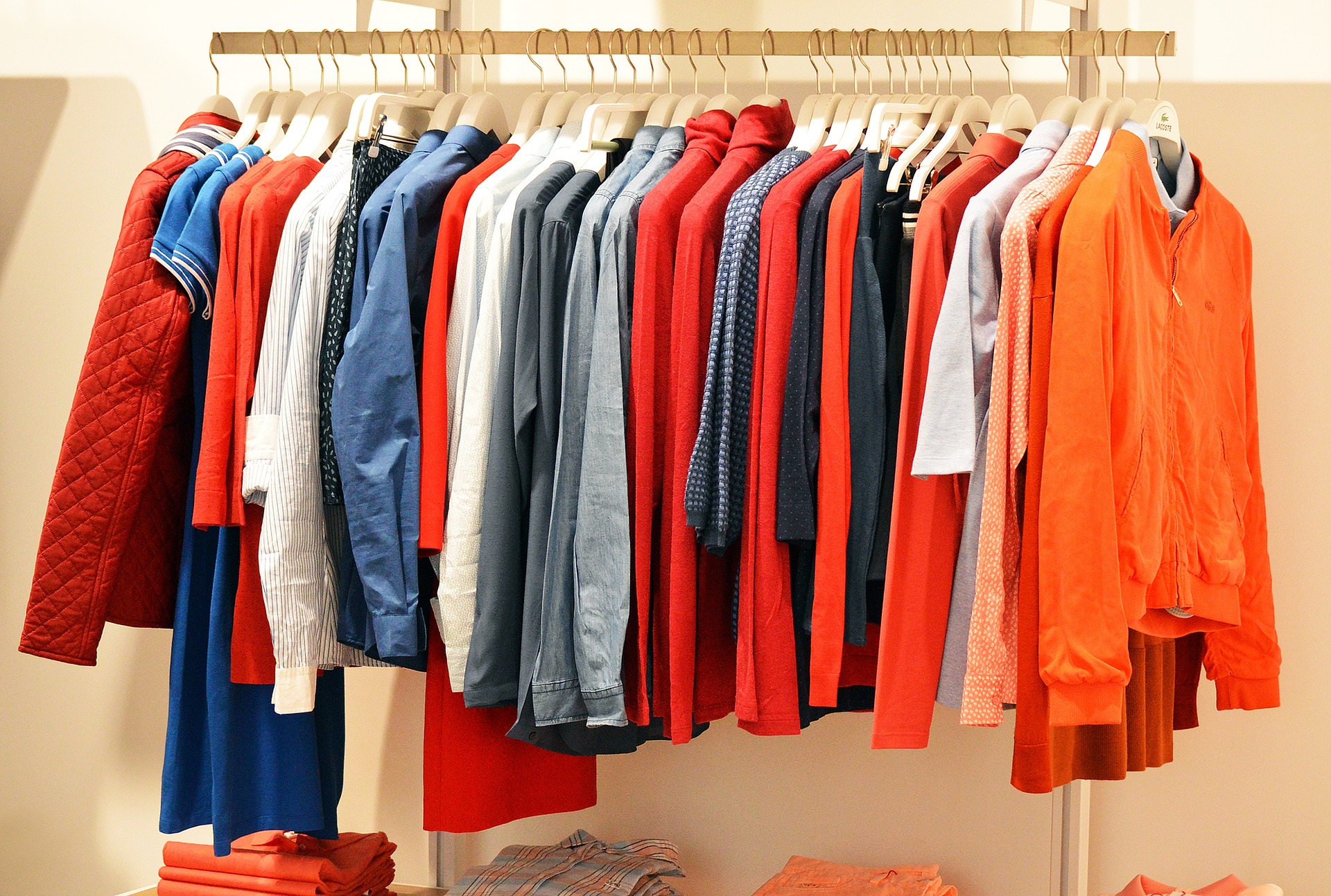
Sept’ 18- Present Studying Higher National Diploma in Fashion and Textiles Dublin Design Institute, Kildare Street Jan19-Present Assistant Tutor, Project Fashion. My Role is to assist students in completing their fashion design projects. Teaching them basic sewing skills and becoming familiar with patterns. The classes are held for students ages 7-16 and culminates in a yearly fashion show. Nov’09-Dec’17 H&M Swords/Dundrum/Dundalk Position: Visual Merchandiser Duties: Create strong and exciting window and in store displays React to selling trends and achieve daily/weekly targets Control stock levels in store, by setting great routines and keeping head office informed. Provide training to inform and motivate staff . providing visual training to a new store team and guide them through each successful launch and opening season. Sept’ 05-Nov’09 Rhinestones Antique Jewellery Dublin. Position: Sales Advisor Duties: Creating strong commercial window displays,Achieve daily targets, Build client relationships, repair antique jewellery, I was also tasked with creating bespoke items for customers.
In the last decade CAD has become an essential tool for any emerging fashion designer. Every sector of the fashion industry has felt the benefit of these innovations. From couture design houses to mass market retail to the textile mills the changes within the design and production processes have been vast.
Students studying the design and textile industry will be introduced to CAD/CAM programs early on in there education as these skills are now an essential part of the job specification.
CAD has changed the role of a fashion designer.
A fashion designer may still begin the process with a few sketches on paper but from there the process can be taken online, scanning the image in and using programs such as Adobe Illustrator, Autodesk design software, C-design fashion, Wild Ginger Cameo V6 to bring there ideas to life. This means that illustrations can be finalised patterns can be drafted and specification sheets can be created. All this can be done in less time spending less money, using less space, creating less waste.
Great! well sort of, as with the rapid advancement of any industry unforeseen issues can arise.
The ability to produce sketches/mood boards/Flat drawings quickly and in a format that can be sent across the world and realised, brought about the birth of what has become known as “fast fashion.” Love it or hate it fast fashion responds to our society appetite to consume ideas and information quickly, and then disregarding them just as fast. This appetite is unlikely to change.what we can change is our response.
Working more closely with CAD brought graphic designers fashion designer and software developers together. These collaberations and skill sharing are leading to exiting advancements for each industry.
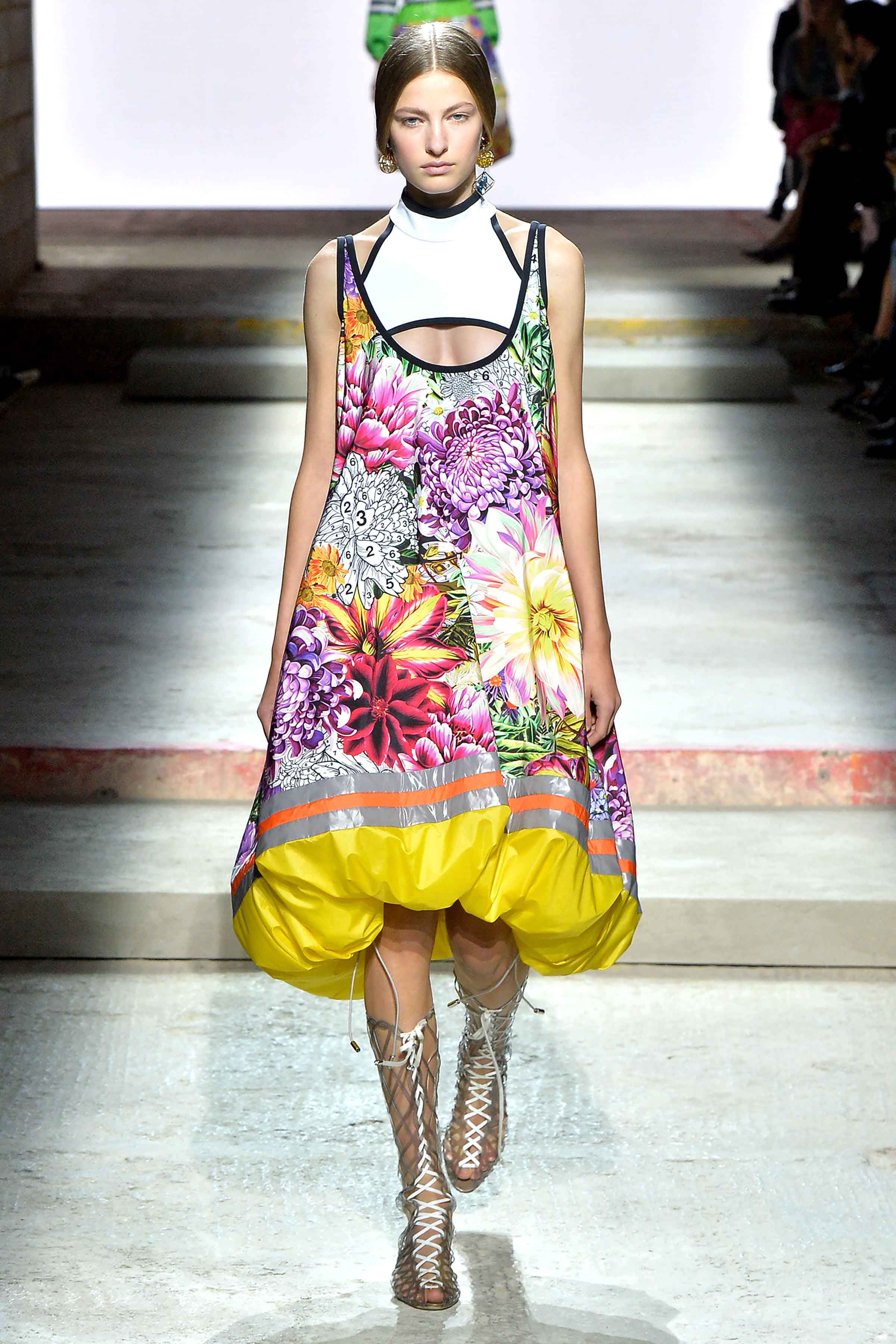
Graphic designers can help fashion designers create collections that have a cohesive mood and give there brand the power to communciate globally.Logos are an essential assest to a brand to .The right logo has the power to add value and worth to a brand that clothes alone cant do. Graphic designers have also brought digital prints to fashion design. Mary Katrantzou, Johnthan Saunders and Peter Pilotto have all combined graphic design with fashion design with incredible results.
CAD/CAM will play a major role in responsible design for the future. Designers have access to software and CAM developments
Developments in CAM are equally as exciting.
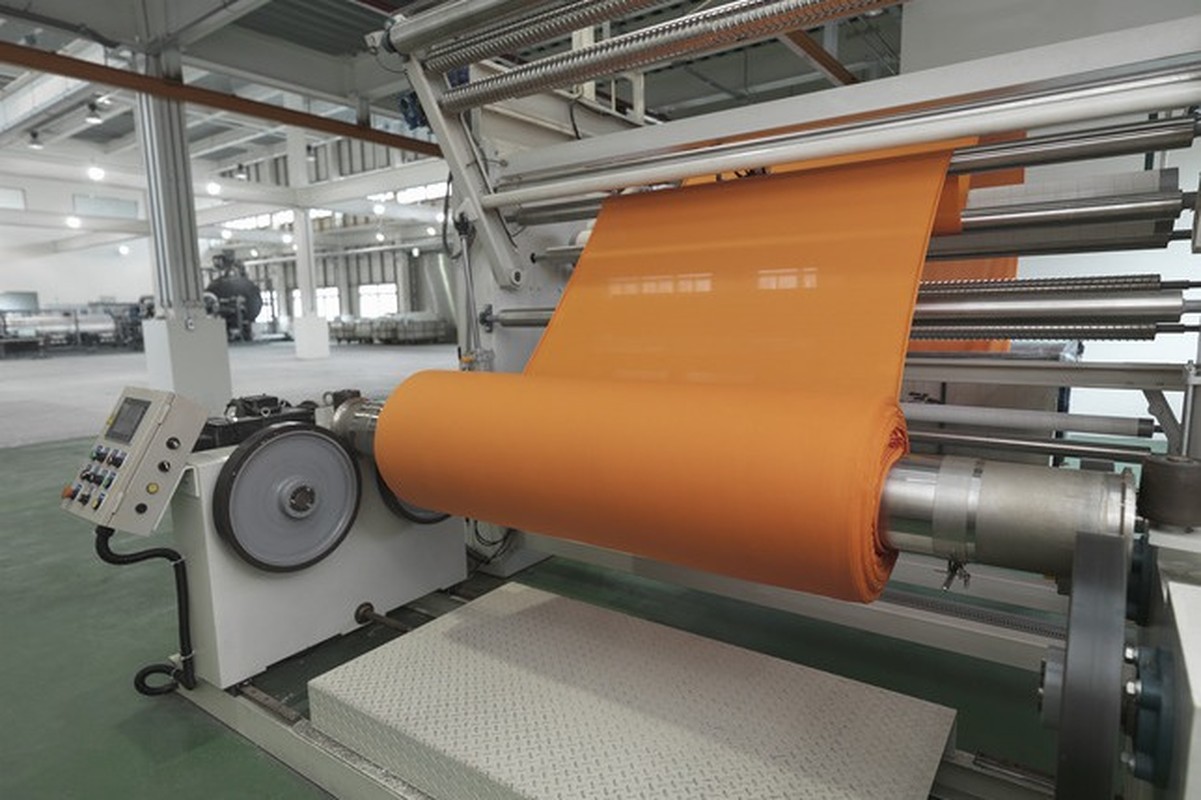
Co2 dyeing or waterless dyeing is a relatively new process for textile manufacturing. textile industry is widely accepted as one of the largest industry for fresh water consumption, this fresh water is then disposed of as waste water containing the remains of the dye and chemicals needed for the process. Water scarcity is no longer just a third world issue more frequently we are being advised to reduce our unnecessary water consumption.
the The Yeh Group says that in its experience, an estimated 100-150 litres of water are needed to process 1 kg of textile material. Water is also used as a solvent in many pre-treatment and finishing processes, such as washing, scouring, bleaching, dyeing, rinsing and finishing and the contaminated water must then be handled and treated prior to disposal or recycling.https://www.innovationintextiles.com/waterless-dyeing-process-for-drydye-fabrics/
Pioneering company DyeCoo based in the Netherlands. Uses this process, the C02 when pressurised acts as the solvent for the dye and as there is no water being used there is no waste of materials and then no need for expensive water treatment plants. The Knock on effects are also that industry will not be dependant on good water supply for production, which would mean it could bring jobs and growth to previously uninhabitable parts of our world.
Experienced in visual merchandising and retail management roles
Self motivated
Good interpersonal skills
Ability to work to deadlines and priorities efficiently
Weakness.
Presentation skills
CAD/ Photoshop/ Illustrator skills
Relevant Degree
Opportunity.
Improve my Presentation skills through consistently presenting my work in a professional manner while I am studying.
Using my position as a tutor to improve my communication skills and my ability to convey ideas and processes quickly, clearly and confidently.
Use the base knowledge of CAD software that I have gained during my study to further my learning both independently and using online cad courses .
Continue the course of study i have chosen into the higher diploma and if possible continue to a relevant degree .
Threats.
Financial commitments may hinder further study.
Time constraints in terms of work/ life balance.
Reflecting on my personal S.W.O.T analysis it is clear to me what steps I need to take to further my career in the direction that i want it to take. I intend to focus on my opportunities over the next few months to put me in a better position to apply for positions in my ideal job area which is textile design.
Throughout this year we have covered a wide range of design based subjects to course is covered quickly and requires the student to be self motivated to achieve there full potential. With each assignment i believe i am better able to filter the new information quickly and in a way that produces a clear and concise result . I am also altering my method of study to include more visual ques as they are a better trigger for information for me personally.
During The final term of first year i focused my attention on the role of textile designer. I studied Visual communications in college after leaving secondary school only leaving when i got a job working as a visual merchandiser. I have always been drawn to jobs which might allow me to explore ideas creatively. The role of a textile designer is create new innovative original prints which can be used as 2d textile sample for either fashion or interiors. To do this I will need to work hard to improve my cad skills. I intend to do this by using the summer months to upskill in Adobe Illustrator CC by taking a recognised adobe online course and also self learning.
Doing this will mean that when I return next year i will be able to produce work of a much higher standard that i will be happy to showcase to prospective employers or use for admission to further study textile design.
The role of a fashion Buyer is to identify future trends, they have the responsibility of selecting quantities of product to be sold in a retail outlet. Identifying trends and investing in the right product is the key to success as a fashion buyer.
A fashion Buyer must have great numerical skills and good business acumen.Degrees in Business, Marketing ,Retail Management and fashion are relevant. Experience in marketing retail and merchandising can also be hugely beneficial when applying for jobs.
Merchandiser.
The role of a merchandiser is to liaise with the buying team to insure that there is appropriate trend forecasting for the next season, then to insure that the product arrives in store at the right time to maximise selling potential.It is also the role of the merchandiser to liaise with in-store merchandising and management teams to insure correct quantities are reaching stores and that teams are reacting to immediate selling trends.
A Degree in business Marketing or fashion is relevant. A merchandiser needs strong communication skills and commercial awareness. Experience in the fields of business marketing or retail management can be beneficial when applying for jobs .
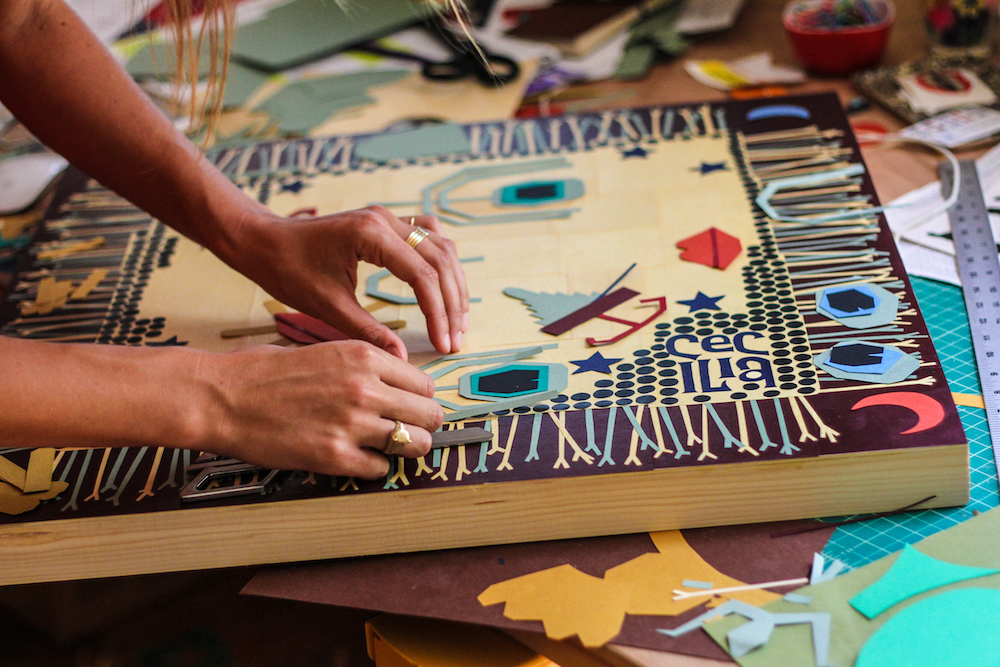
A textile Designer creates original prints and patterns for textiles for use in either interiors or fashion. A textile designer must work to a brief meeting the needs of the client and considering how the textile will be used. They go on to create sketches and ideas resulting in a final presentation to the customer.
A textile Designer should be be creative have a good eye for colour and pattern and a knowledge of the textile production process.
A degree in fashion Design or other design field is relavant, working knowledge of the latest cad programs is essential as most of the job can be computer based.
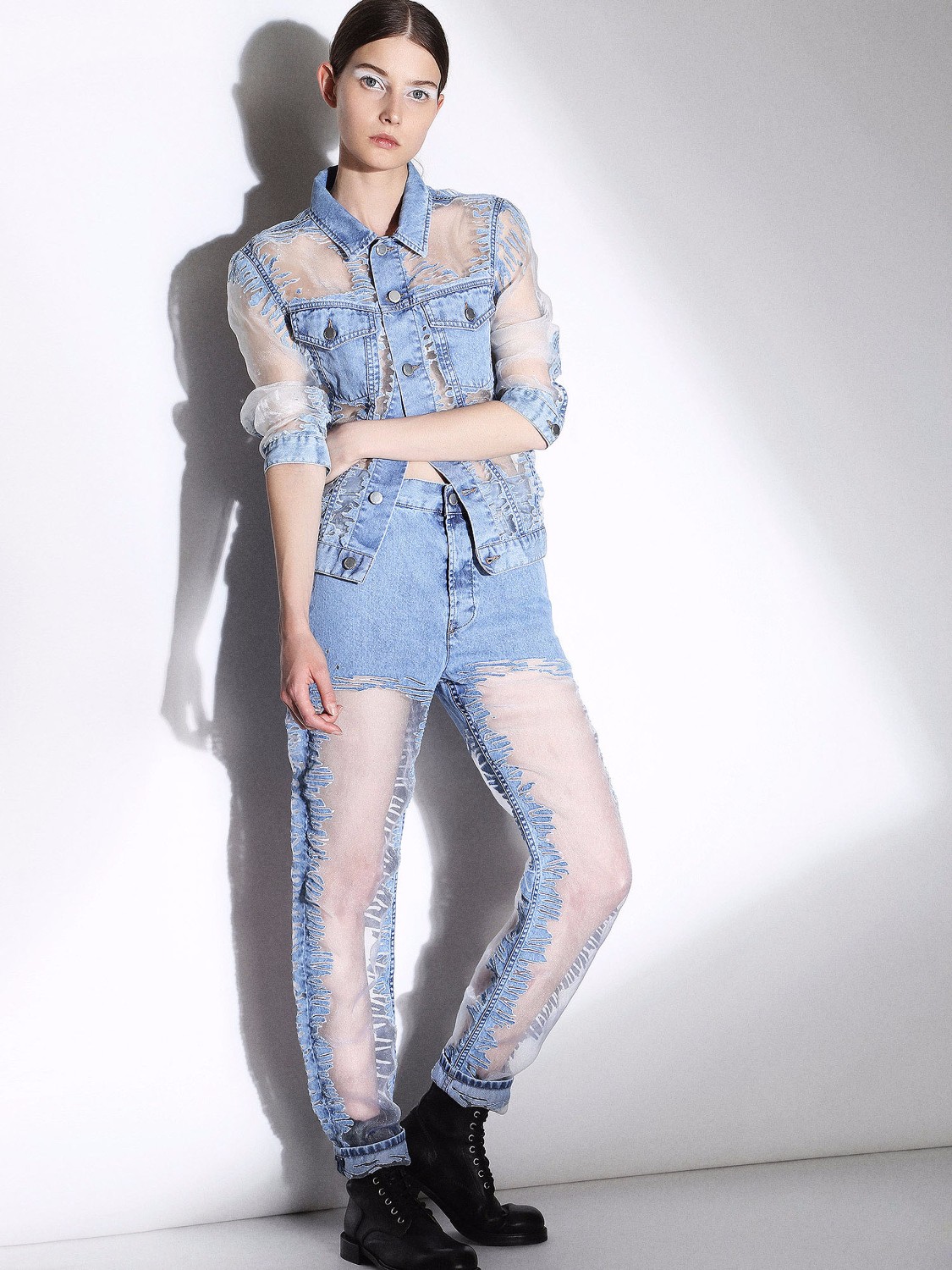
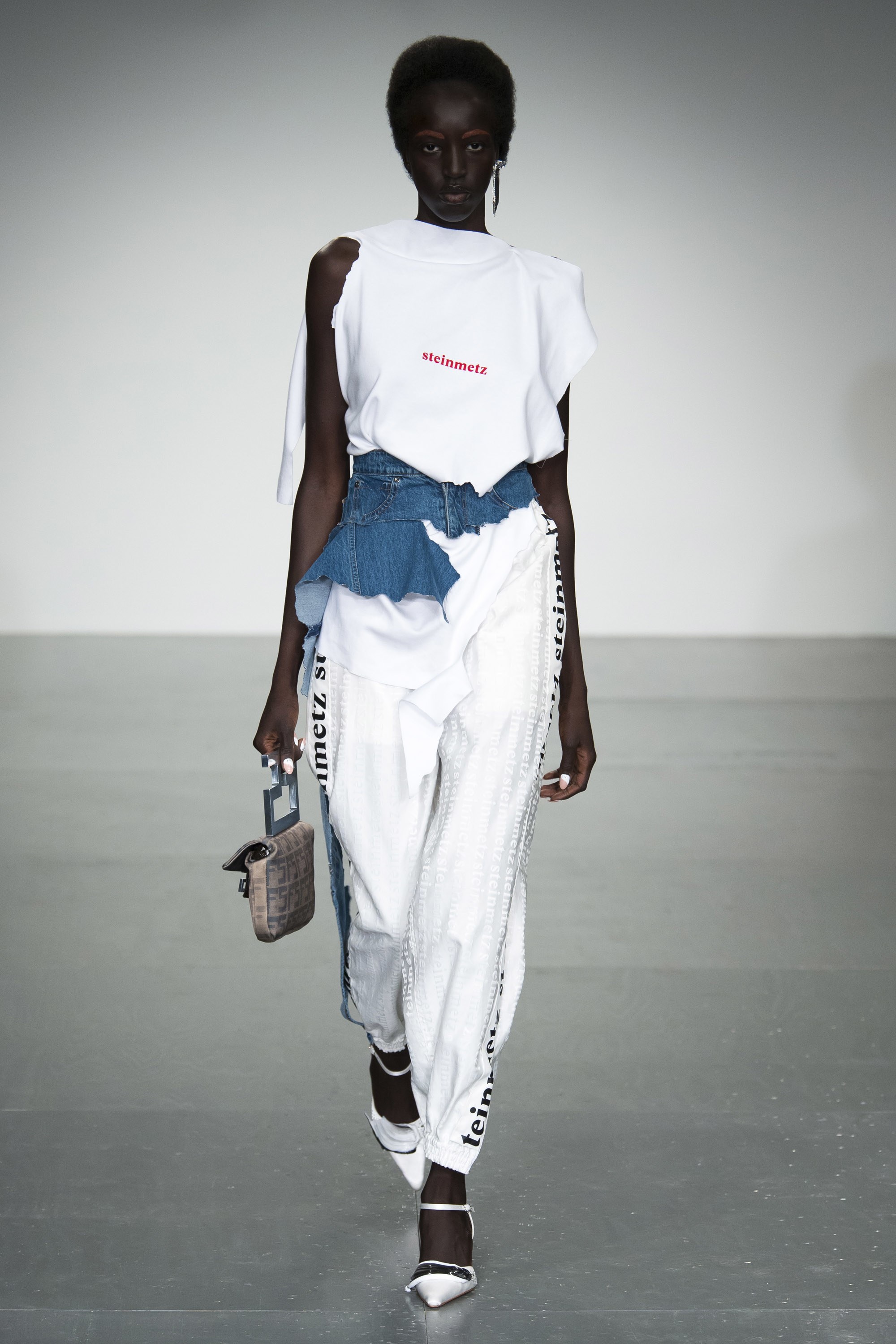
Faustine Steinmetz is a Paris Born French designer working primarily from her studio in east London.
Steinmetz Studied in Central Saint Martins before setting up her label in 2013. Her label has become well known for it’s luxury fashion and ethical design ethos. Her most synonyms work is with denim, using old handcrafting techniques to create unique and beautiful new textures and shapes. In the last few years she has collaborated with Diesel,Cheap Monday, G-Star,Swarovski.
Faustine debuted her first runway collection in London Fashion week 2017.Her collection showcased her “spun denim” and deconstructed looks , and experimented with logo dressing and 00″s influences.

 The beginning